
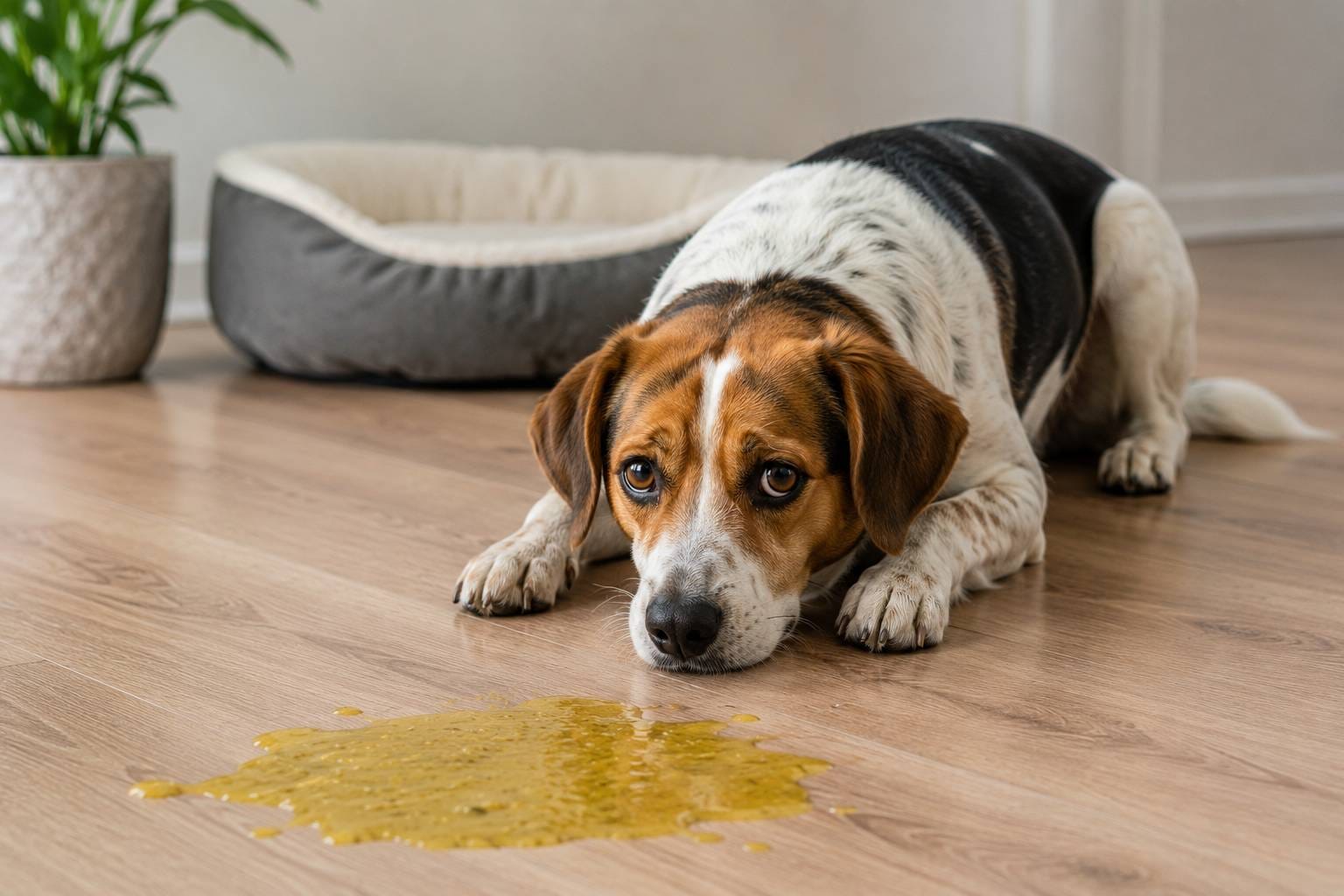
If you’re asking yourself, “Why does my dog have diarrhea?”, you’re certainly not alone. Diarrhea is one of the most common digestive problems in dogs and one of the top reasons pet owners contact their veterinarian.
The good news is that many cases of diarrhea in dogs are mild and resolve within a day or two. However, some cases can indicate a more serious underlying condition that requires medical attention.
From eating something they shouldn’t to infections and food allergies, there are many possible reasons your dog has diarrhea. Knowing what to look for can help you decide whether your dog simply has an upset stomach or needs to see a veterinarian.
Here’s everything you need to know about dog diarrhea, including the most common causes, treatment options, and warning signs.
In This Article
What Is Diarrhea in Dogs?
Diarrhea is the passage of loose, watery, or unusually frequent stools.
Some dogs may have:
- Soft stools
- Watery diarrhea
- Frequent bowel movements
- Urgent trips outside
- Mucus in their stool
There are two main types of diarrhea in dogs:
Acute Diarrhea
Acute diarrhea starts suddenly and usually lasts less than a few days.
Chronic Diarrhea
Chronic diarrhea continues for several weeks or keeps coming back repeatedly.
The cause of the diarrhea often determines how serious it is.
Why Does My Dog Have Diarrhea? 10 Common Causes
1. Eating Something They Shouldn’t
One of the most common causes of dog diarrhea is dietary indiscretion, which means your dog ate something they shouldn’t have.
Examples include:
- Garbage
- Spoiled food
- Human food
- Grass
- Table scraps
- Foreign objects
Many dogs develop an upset stomach after eating something unusual.
2. Sudden Diet Changes
Changing your dog’s food too quickly can upset the digestive system.
The bacteria in your dog’s gut need time to adjust to a new diet. A sudden switch can lead to:
- Loose stools
- Gas
- Vomiting
- Stomach discomfort
Whenever possible, transition to a new food gradually over seven to ten days.
3. Food Intolerance or Food Allergies
Some dogs have sensitive stomachs and cannot tolerate certain ingredients.
Common triggers include:
- Chicken
- Beef
- Dairy products
- Wheat
- Artificial ingredients
Food sensitivities can cause recurring diarrhea in dogs, along with vomiting, itchy skin, or ear infections.
4. Stress or Anxiety
Just like people, dogs can develop digestive problems during stressful situations.
Stress-related dog diarrhea may occur after:
- Boarding
- Traveling
- Moving to a new home
- Changes in routine
- Introducing a new pet
This is sometimes called stress colitis and often improves once the stressful event passes.
5. Intestinal Parasites
Parasites are another common cause of diarrhea in dogs, especially in puppies.
Common parasites include:
- Roundworms
- Hookworms
- Whipworms
- Giardia
Symptoms may include:
- Diarrhea
- Weight loss
- Vomiting
- Poor appetite
Regular deworming and routine veterinary checkups can help prevent parasite infections.
6. Bacterial or Viral Infections
Certain infections can irritate the digestive tract and cause severe diarrhea.
Examples include:
- Salmonella
- Campylobacter
- Parvovirus
Puppies and unvaccinated dogs are particularly vulnerable to serious infections.
7. Eating Too Much Grass
Many owners ask, “Why does my dog have diarrhea after eating grass?”
Although eating grass is usually harmless, consuming large amounts may irritate the stomach and digestive tract in some dogs.
If your dog regularly eats grass and develops diarrhea afterward, it’s worth mentioning to your veterinarian.
8. Medications
Some medications can upset your dog’s stomach.
Common examples include:
- Antibiotics
- Anti-inflammatory medications
- Certain supplements
If your dog’s diarrhea started after beginning a new medication, contact your veterinarian.
9. Inflammatory Bowel Disease (IBD)
Inflammatory Bowel Disease is a chronic condition that causes inflammation in the digestive tract.
Dogs with IBD may experience:
- Recurring diarrhea
- Vomiting
- Weight loss
- Poor appetite
This condition usually requires long-term veterinary management.
10. Underlying Health Conditions
Sometimes dog diarrhea is a symptom of another medical problem.
Conditions that can cause diarrhea include:
- Pancreatitis
- Liver disease
- Kidney disease
- Endocrine disorders
- Cancer
This is why persistent diarrhea should never be ignored.
Why Does My Dog Have Diarrhea but Act Normal?
Many dogs with mild stomach upset continue acting completely normal.
If your dog has diarrhea but is acting fine, the cause may simply be:
- A minor dietary indiscretion
- Mild stress
- A temporary digestive upset
If your dog:
- Has normal energy
- Continues eating
- Drinks water
- Has only mild diarrhea
You can usually monitor them closely at home.
However, if the diarrhea lasts more than two days or worsens, contact your veterinarian.
Why Does My Dog Have Diarrhea All of a Sudden?
Sudden diarrhea can happen for many reasons.
The most common causes include:
- Eating something unusual
- Dietary changes
- Stress
- Infections
- Parasites
- Medications
If your dog suddenly has diarrhea but otherwise seems normal, the problem may be temporary. Still, monitor your dog carefully for additional symptoms.
Dog Diarrhea and Vomiting: Should I Be Concerned?
When dog diarrhea and vomiting happen together, there may be a more significant digestive problem.
Contact your veterinarian if your dog:
- Vomits repeatedly
- Has bloody diarrhea
- Refuses food
- Appears weak or lethargic
- Cannot keep water down
These symptoms can lead to dehydration quickly, especially in puppies and senior dogs.
What Can I Give My Dog for Diarrhea?
Mild diarrhea often improves with supportive care.
You can try:
Keep Your Dog Hydrated
Fresh water is essential because diarrhea can quickly lead to dehydration.
Feed Small Bland Meals
Many veterinarians recommend a bland diet such as:
- Plain boiled chicken
- Plain white rice
Offer Smaller Meals
Smaller portions may be easier on your dog’s stomach.
Allow Plenty of Rest
Rest can help the digestive system recover.
Never give your dog human medications for diarrhea unless instructed by your veterinarian.
When Should You Call a Vet?
You should contact your veterinarian if your dog:
- Has diarrhea lasting more than 48 hours
- Has bloody diarrhea
- Vomits repeatedly
- Refuses food
- Appears weak or lethargic
- Shows signs of dehydration
- Has abdominal pain
- Is a puppy or senior dog
- Has underlying medical conditions
These situations may require prompt medical attention.
How to Prevent Diarrhea in Dogs
Although you can’t prevent every case of diarrhea, these tips can reduce the risk:
- Avoid sudden food changes.
- Keep garbage out of reach.
- Feed a high-quality diet.
- Keep toxic foods away from your dog.
- Schedule regular veterinary visits.
- Maintain a parasite prevention program.
Good digestive health starts with proper nutrition and preventive care.
Frequently Asked Questions
Why does my dog have diarrhea but seem fine?
Many mild cases are caused by temporary stomach upset or eating something unusual.
Why does my dog have diarrhea all of a sudden?
Sudden diarrhea is often caused by dietary indiscretion, stress, parasites, or infections.
What can I give my dog for diarrhea?
Fresh water, rest, and small bland meals may help mild cases.
How long should diarrhea last in dogs?
Most mild cases improve within one or two days.
When is dog diarrhea an emergency?
Bloody diarrhea, repeated vomiting, dehydration, weakness, or diarrhea lasting more than 48 hours should be evaluated by a veterinarian.
Final Thoughts
So, why does your dog have diarrhea?
The answer can range from something as simple as eating table scraps to a more serious underlying health condition. Fortunately, most cases of diarrhea in dogs are mild and resolve quickly with supportive care.
Pay attention to your dog’s energy level, appetite, and how long the diarrhea lasts. If the symptoms are severe, persistent, or accompanied by vomiting, lethargy, or blood in the stool, it’s best to contact your veterinarian.
By understanding the common causes of dog diarrhea, you’ll be better prepared to help your furry friend feel better and know when it’s time to seek professional care.