
As temperatures climb, our four-legged companions face significant health risks. High heat often leads to exhaustion or life-threatening emergencies if owners remain unprepared. Understanding how to keep dog cool in summer is a vital responsibility for every responsible pet parent.
Proactive safety measures serve as the best defense against the scorching sun. By implementing consistent pet care tips, you can ensure your furry friend stays comfortable and safe throughout the season. These strategies help prevent heatstroke and other weather-related illnesses that spike during the hottest months.
This guide provides ten essential steps to protect your animal from rising mercury levels. Following these simple guidelines will help you create a safe environment for your companion. Prioritizing these habits now ensures a happy and healthy experience for your entire family.
In This Article
Managing Environmental Hazards and Surface Temperatures
Many common outdoor surfaces hide invisible threats that can harm your pet during the warmer months. Learning how to identify these risks is a vital part of how to keep your dog cool in summer. By staying aware of your surroundings, you can effectively navigate various summer dangers for dogs.
Testing Scorching Pavements with the Seven-Second Rule
Asphalt absorbs heat rapidly, often reaching temperatures far higher than the air around it. This scorching pavement can cause severe asphalt paw burns in just a few seconds. To protect your pet, always use the seven second rule before heading out for a walk.
Place the back of your hand firmly against the pavement for seven seconds. If the surface feels too hot for your skin, it is definitely too hot for your dog’s sensitive pads. Whenever possible, stick to grassy areas or shaded paths during the early morning or late evening hours.
The Fatal Danger of Parked Cars
The park car danger is one of the most critical threats to canine safety. Even on mild days, the interior of a vehicle acts like a greenhouse, causing temperatures to skyrocket in minutes.
Cracking a window does little to prevent this rapid heat buildup. Never leave your dog unattended in a vehicle, even for a quick errand. The risk of heatstroke is simply too high to justify the gamble.
Protecting Sensitive Paw Pads from Hot Beach Sand
While the beach is a popular destination, dry sand can be just as dangerous as hot asphalt. The sun bakes the sand, creating a surface that can easily blister your dog’s paw pads.
Always check the sand temperature before letting your dog walk across it. If you must visit the beach, try to stay near the water’s edge where the sand remains cool and damp. Protective booties can also provide a helpful barrier against intense heat.
Understanding the Impact of High Humidity on Panting
Dogs rely on heavy panting to regulate their internal body temperature through evaporation. However, high humidity risks can severely limit this natural cooling process.
- High moisture levels in the air prevent sweat and moisture from evaporating efficiently.
- When evaporation slows down, your dog’s internal temperature continues to rise.
- Even if the air temperature seems manageable, humidity makes it much harder for your dog to stay cool.
Always monitor your dog closely when the air feels thick or muggy. If you notice signs of distress, move your pet to an air-conditioned environment immediately.
How to Keep Dog Cool in Summer: Optimizing Daily Routines
Keeping your canine companion comfortable requires a proactive approach to your daily routine. By making small adjustments to your schedule, you can master how to keep dogs cool outside while ensuring your pet remains active and happy. These simple hot weather tips help you navigate the season without compromising your dog’s well-being.
Avoiding Intense Midday Exercise
The most critical change you can make involves avoiding midday heat hours. During these peak sun hours, which typically span from 10 AM to 4 PM, the ground temperature can reach dangerous levels. Shifting your schedule to the early morning or late evening is an essential step when learning how to keep dog cool in summer because the air is significantly cooler.
If you must go outside during the day, keep sessions short and stick to shaded areas. Intense play, such as fetch or running, should be reserved for cooler times to prevent overheating. Always prioritize your dog’s safety over your usual exercise intensity.
Maintaining Constant Hydration with Fresh Water and Ice
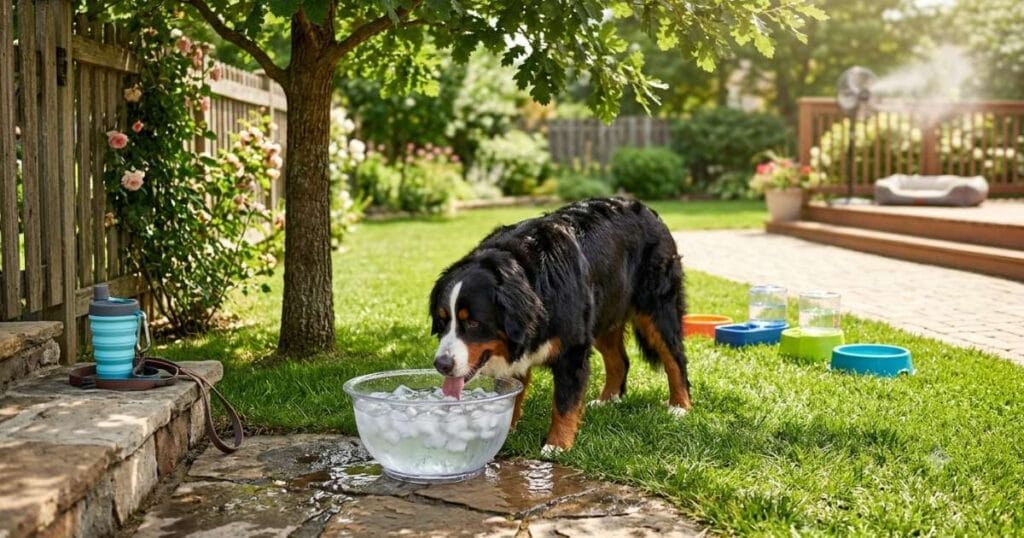
Proper hydration is the foundation of how to keep dog cool in summer and ensures your pet stays healthy all season long. You must ensure your pet has access to fresh water bowls at all times, both indoors and outdoors. Stagnant or warm water is less appealing to dogs, which may lead to dehydration.
To encourage your dog to drink more, try these simple strategies:
- Add ice cubes in water to keep the temperature refreshing for longer periods.
- Place multiple water stations throughout your home and yard.
- Clean bowls daily to prevent bacteria buildup.
- Carry a portable water bottle during any necessary outdoor trips.
Staying Vigilant Against Summer Pests
Warmer weather brings an increase in summer pests that can threaten your dog’s health. Fleas, ticks, and mosquitoes are highly active during the summer months and can transmit serious diseases. Consistency is key when it comes to your pet’s preventative care.
Make sure to keep your dog’s flea, tick, and heartworm preventatives up to date. Consult your veterinarian to ensure you are using the most effective products for your specific region. Regular grooming sessions also provide a great opportunity to check your dog’s coat for any unwanted hitchhikers after time spent outdoors.
Monitoring Health and Preventing Heat-Related Emergencies
Summer heat brings hidden dangers that every responsible dog owner must learn to identify. While basic shade helps, you must also understand the medical risks that accompany rising temperatures. Learning how to cool off a dog effectively is a vital skill for any pet parent during the peak of summer.
Applying Pet-Safe Sunscreen to Vulnerable Skin
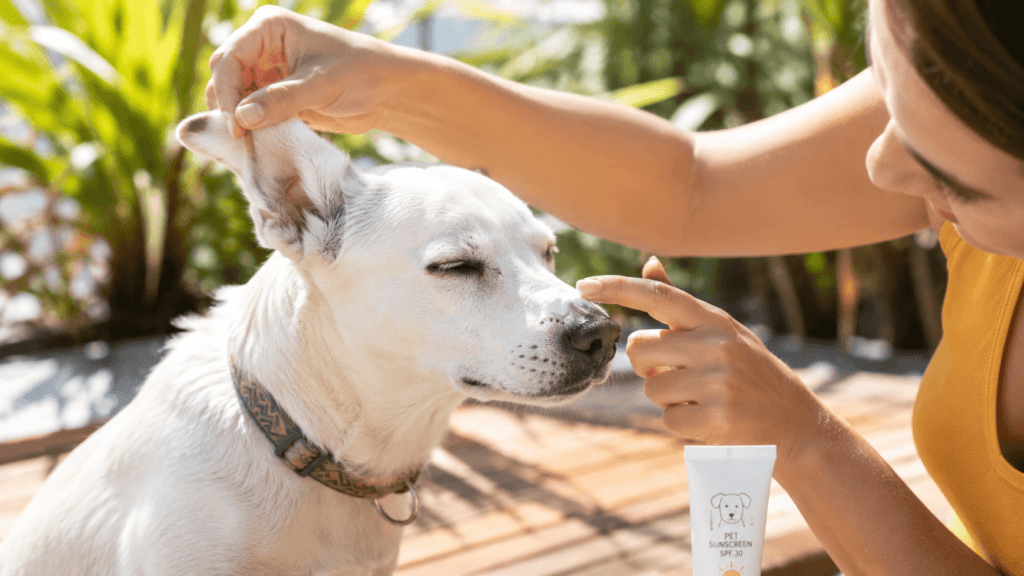
Many owners forget that dogs can suffer from painful sunburns just like humans. Breeds with short coats or light, pink skin are particularly susceptible to UV damage on their noses, ears, and bellies. Always use a product specifically formulated for pets, as human sunscreens often contain zinc oxide or salicylates that are toxic if ingested.
Avoiding Toxic Blue-Green Algae in Stagnant Water
Stagnant ponds and lakes may look like refreshing spots for a swim, but they often hide invisible threats. Toxic blue-green algae blooms can form in warm, still water and cause severe illness or even death in dogs. If you notice a thick, paint-like scum on the surface of a lake, keep your dog away from the water entirely.
Recognizing the Warning Signs of Canine Heatstroke
Effective dog heatstroke prevention starts with knowing exactly what to look for when your pet is outdoors. You should monitor your dog closely for heat exhaustion symptoms, which often appear before a full-blown crisis occurs. If you notice excessive drooling, bright red gums, or lethargy, your dog may be struggling to regulate their internal heat.
An elevated dog body temperature is a major red flag that requires immediate action. Watch for these critical indicators of canine heat stroke:
- Heavy, rapid panting that does not slow down.
- Disorientation or stumbling while walking.
- Vomiting or diarrhea.
- Visible signs of dehydration, such as dry, sticky gums.
If your dog displays these symptoms, move them to a cool area immediately and offer small amounts of water. Never wait to see if the condition improves on its own. Contact your local emergency vet care provider right away to ensure your pet receives the professional treatment they need to recover safely.
Conclusion
Keeping your dog safe requires a proactive approach to seasonal care. You hold the power to prevent heat-related illness by staying alert to environmental changes and your pet’s physical needs.
Consistency remains the best tool for every dog owner. Small adjustments to your daily schedule create a massive impact on your pet’s comfort levels. You build a safer environment by checking surface temperatures and providing constant access to fresh water.
Watch your dog closely for any signs of distress during warm afternoons. Quick action saves lives when temperatures climb. You can enjoy every sunny day with confidence by following these essential safety habits.
Share your own tips for keeping pets cool with other dog lovers in your community. Your experiences help others learn how to manage summer risks effectively. Let us know which strategies work best for your furry companion during the hottest months of the year.