
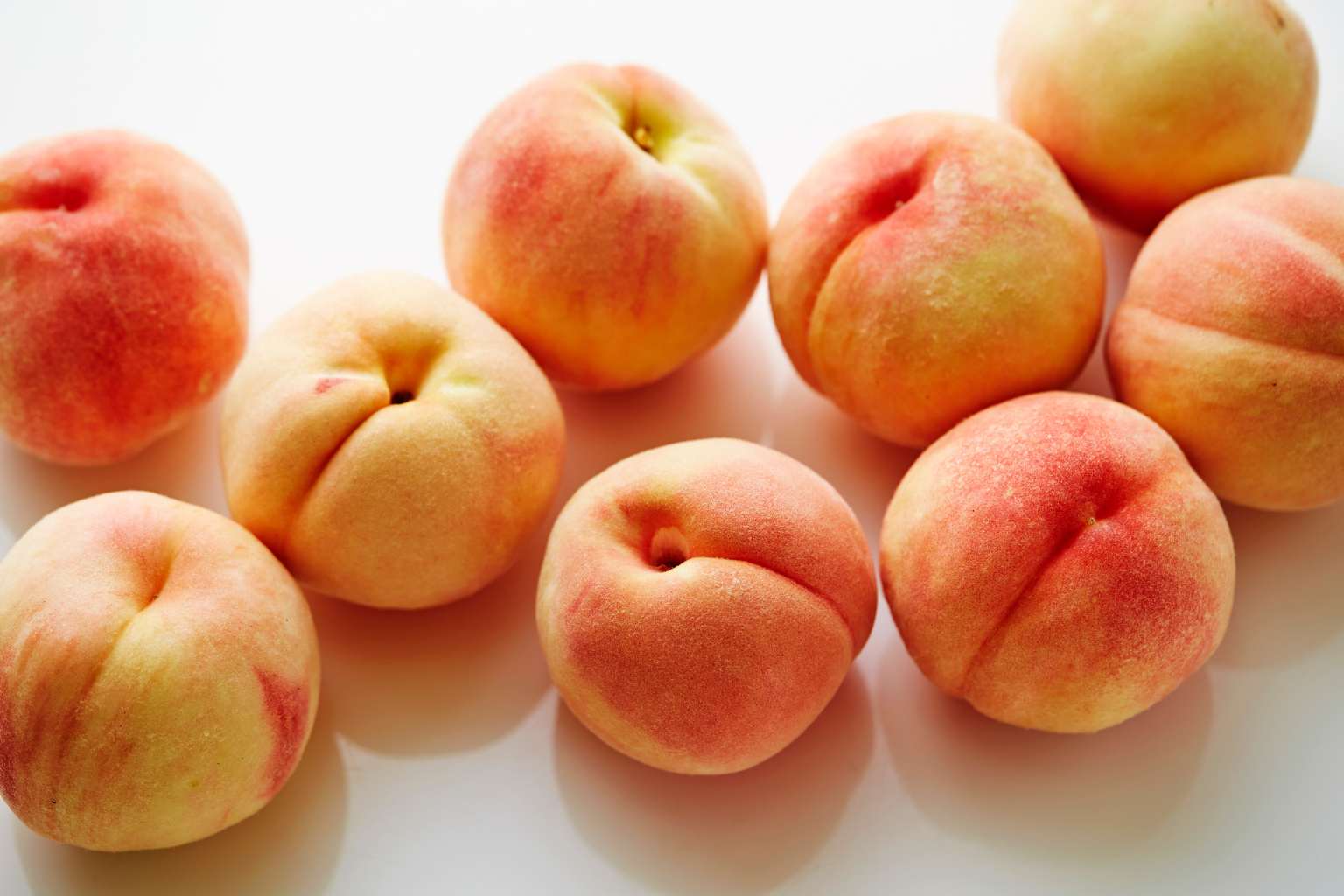
Have you ever been enjoying a sweet, juicy peach when your dog suddenly appears beside you, staring at every bite? If you’ve ever paused and wondered, can dogs eat peaches, you’re not alone.
Many pet owners want to share healthy snacks with their furry companions but worry about whether certain fruits are safe.
The good news is that fresh peaches can be a delicious and nutritious treat for dogs when served correctly. However, not every part of the fruit is safe, and one small mistake could lead to a serious health problem.
In this guide, you’ll discover can dogs eat peaches, the health benefits they offer, the risks you should know, and how to serve them safely so your dog can enjoy this summer fruit without putting their health at risk.
In This Article
Can Dogs Eat Peaches?
The short answer is yes, can dogs eat peaches? Absolutely—but only in moderation and with proper preparation. Fresh peach flesh is generally safe for healthy dogs and can make a refreshing treat on a warm day.
If you’re asking can dogs eat peaches because your dog is begging for a bite, you can safely share a few small pieces as long as you’ve removed the pit, stem, and leaves first.
Peaches contain several beneficial nutrients, but they should never replace your dog’s complete and balanced diet. Think of peaches as an occasional reward rather than an everyday snack. Like any new food, introduce peaches slowly and watch your dog for signs of digestive upset.
Before feeding peaches to your dog, always:
- Wash the fruit thoroughly.
- Remove the pit completely.
- Remove the stem and leaves.
- Cut the peach into bite-sized pieces.
- Serve only fresh, ripe peaches without added sugar.
By following these simple precautions, you can let your dog enjoy peaches safely while avoiding unnecessary risks.
Health Benefits of Peaches for Dogs
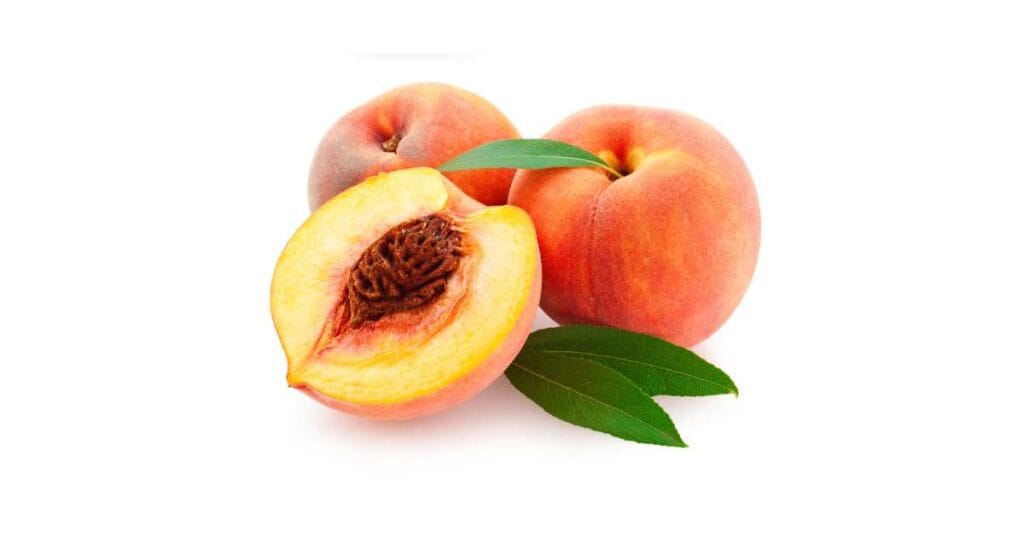
If you’re wondering can dogs eat peaches because you’re looking for a healthier treat, you’ll be pleased to know that fresh peaches offer several nutritional benefits. While dogs don’t need fruit to stay healthy, peaches can provide valuable vitamins and minerals when enjoyed in moderation.
Rich in Vitamins and Antioxidants
Fresh peaches are an excellent source of vitamins A and C. Vitamin A helps maintain healthy eyesight, supports the immune system, and contributes to healthy skin and a shiny coat. Vitamin C acts as an antioxidant, helping protect your dog’s cells from everyday damage caused by free radicals.
Peaches also contain natural antioxidants that support your dog’s overall well-being and may help reduce oxidative stress as they age.
Supports Healthy Digestion
Peaches contain dietary fiber, which helps support healthy digestion and regular bowel movements. A small amount of fiber can keep your dog’s digestive system working smoothly, but too much fruit may have the opposite effect. That’s why moderation is always important.
Helps Keep Your Dog Hydrated
One of the biggest advantages of fresh peaches is their high water content. During warmer months, a few chilled peach slices can provide a refreshing snack while adding a little extra hydration. Although peaches should never replace fresh drinking water, they can be a tasty way to help your dog stay cool.
A Naturally Sweet Treat
Unlike processed dog treats loaded with artificial ingredients, fresh peaches offer natural sweetness without artificial colors or preservatives. If you’re looking for an occasional reward, peaches can be a healthier alternative—as long as you serve them correctly.
Risks of Feeding Peaches to Dogs

Although the answer to can dogs eat peaches is yes, it’s equally important to understand the potential risks. Even healthy foods can cause problems when fed incorrectly or in excessive amounts.
Too Much Sugar
Peaches naturally contain sugar. While this natural sugar isn’t harmful in small quantities, eating too much can contribute to unnecessary weight gain over time. Dogs with diabetes or obesity should only eat peaches if your veterinarian recommends them.
Digestive Upset
Introducing too many peaches at once may upset your dog’s stomach, especially if they’ve never eaten fruit before. Watch for signs such as:
- Vomiting
- Diarrhea
- Gas
- Stomach discomfort
- Reduced appetite
If your dog develops mild digestive issues, stop feeding peaches and offer fresh water. If symptoms become severe or continue for more than 24 hours, contact your veterinarian.
Never Feed Canned Peaches
Fresh peaches are always the safest choice. Canned peaches are usually packed in sugary syrup that adds unnecessary calories and can upset your dog’s digestive system. Some canned fruit products may also contain preservatives or artificial ingredients that offer no health benefits.
Likewise, avoid peach desserts, jams, pies, flavored yogurts, and ice cream, as these often contain excessive sugar and other ingredients that aren’t suitable for dogs.
Why Peach Pits Are Dangerous for Dogs
While the fruit itself can be a healthy treat, the peach pit is where the real danger lies. Peach pits are hard, slippery, and large enough to become lodged in your dog’s throat or digestive tract. Swallowing a pit can lead to choking or a life-threatening intestinal blockage that may require emergency surgery.
Another serious concern is that peach pits contain naturally occurring cyanogenic compounds. If your dog chews or crushes the pit, these compounds can release cyanide, a toxic substance that can make dogs seriously ill.
If your dog swallows a peach pit, don’t wait for symptoms to appear. Contact your veterinarian immediately for advice. Early treatment can prevent serious complications.
How to Feed Peaches Safely to Your Dog

Now that you know the answer to can dogs eat peaches, it’s important to understand the safest way to serve them. A little preparation goes a long way in protecting your dog from choking hazards and digestive problems.
Before offering peaches, follow these simple steps:
- Wash the peach thoroughly to remove dirt and pesticide residue.
- Remove the pit, stem, and leaves completely.
- Slice the peach into small, bite-sized pieces.
- Serve only fresh, ripe peaches without added sugar or seasonings.
- Introduce peaches slowly and watch your dog for any unusual reactions.
Avoid giving your dog canned peaches, peach pie, peach cobbler, peach jam, or other peach-flavored desserts. These products often contain added sugar, artificial ingredients, or sweeteners that are unhealthy for dogs.
How Much Peach Can Dogs Eat?
Even healthy treats should be served in moderation. Peaches contain natural sugar, so they shouldn’t become a regular part of your dog’s diet. As a general rule, treats—including fruit—should make up no more than 10% of your dog’s daily calorie intake.
Use this serving guide as a reference:
| Dog Size | Recommended Serving |
|---|---|
| Extra Small (under 10 lbs) | 1 small piece |
| Small (10–25 lbs) | 2–3 small pieces |
| Medium (25–50 lbs) | 3–5 bite-sized pieces |
| Large (over 50 lbs) | Up to half a fresh peach occasionally |
If your dog has diabetes, is overweight, or has a sensitive stomach, ask your veterinarian before offering peaches.
Frequently Asked Questions
Can dogs eat peaches every day?
No. Although can dogs eat peaches has a positive answer, peaches should only be an occasional treat. Feeding them every day may provide too much natural sugar and fiber, which can lead to digestive issues or unwanted weight gain.
Can dogs eat peach skin?
Yes, peach skin is generally safe if it has been washed thoroughly. However, some dogs may have difficulty digesting the skin. If your dog has a sensitive stomach, peeling the peach before serving may be a better choice.
Can dogs eat canned peaches?
No. If you’re wondering can dogs eat canned peaches, the answer is no. Canned peaches are usually packed in sugary syrup and may contain preservatives that aren’t suitable for dogs. Fresh peaches are always the healthier option.
What happens if my dog ate a peach pit?
If your dog ate a peach pit, contact your veterinarian immediately. A peach pit can become lodged in the throat or intestines, causing a dangerous blockage. Chewing the pit may also expose your dog to cyanogenic compounds. Watch for vomiting, abdominal pain, constipation, excessive drooling, loss of appetite, or difficulty breathing, and seek veterinary care without delay.
Conclusion
So, can dogs eat peaches? Yes, dogs can enjoy fresh peaches safely when they’re served the right way. The soft flesh provides vitamins, antioxidants, fiber, and hydration, making it a refreshing occasional treat. However, the pit, stem, and leaves should always be removed because they can cause choking, intestinal blockage, or expose your dog to toxic compounds.
When introducing peaches, start with a small amount and monitor your dog for any signs of digestive upset. Stick to fresh, ripe peaches, avoid canned or sugary peach products, and remember that moderation is key to keeping treats healthy.
By following these simple safety guidelines, you can confidently share a few slices of peach while protecting your furry friend from unnecessary risks.
Keep Learning About Safe Foods for Dogs
Want to make smarter choices about your dog’s diet? Explore our other dog nutrition guides to discover which fruits, vegetables, and everyday human foods are safe, which ones should be avoided, and how to keep your canine companion happy, healthy, and thriving all year long.