
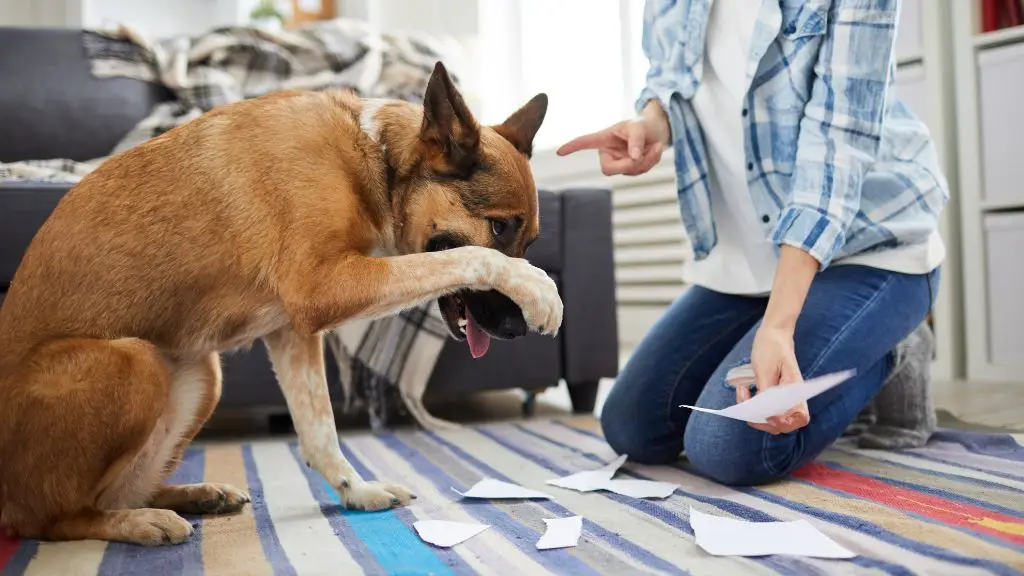
Every dog owner dreams of calm, enjoyable outings with their four‑legged companion. Dog behavior modification offers a humane, science‑backed pathway to turn anxiety, over‑excitement, or unwanted habits into well‑balanced behavior. In this comprehensive guide we’ll dive into five proven tricks, explain why they work, and show you how to apply them using positive reinforcement training principles.
In This Article
Why Dog Behavior Modification Matters
Modern dogs live in busy households, on crowded sidewalks, and in car rides that can trigger stress. Without proper guidance, these stressors manifest as barking, pulling, lunging, or even aggression. Dog behavior modification isn’t about punishment; it’s about reshaping responses by rewarding the actions you want to see. This method reduces fear, builds confidence, and strengthens the bond between you and your pet.
1. The “Pause and Release” Technique
The first trick focuses on teaching your dog to pause before reacting to a stimulus. Begin in a low‑distraction environment:
- Choose a cue word such as “wait.”
- When your dog notices a trigger (a doorbell, another dog, etc.), say the cue and gently hold their leash.
- Reward any hesitation with a small treat and calm praise.
- Gradually increase the difficulty by adding more distractions while keeping the reward consistent.
Through repeated practice, the pause becomes a habit, allowing you to manage potentially chaotic moments before they escalate. This is a cornerstone of effective dog behavior modification because it gives you a momentary control point.
2. Counter‑Conditioning with a “Treat Trail”
Counter‑conditioning replaces an undesirable emotional response with a positive one. Lay a short trail of high‑value treats leading away from the trigger (e.g., a busy park bench). As your dog follows the trail, they focus on the reward rather than the stressor. Over time, the presence of the trigger alone becomes associated with pleasant anticipation.
Key points for success:
- Use only high‑value treats that your dog doesn’t get at other times.
- Keep sessions short (5‑10 minutes) to prevent fatigue.
- Gradually fade the treat trail, rewarding only after the dog looks at you for a cue.
This method demonstrates how dog behavior modification can transform fear into curiosity, a vital step for calmer outings.
3. “Leave It” – Teaching Impulse Control
Impulse control is the foundation of many behavior problems. The classic “Leave it” command teaches your dog to ignore a tempting stimulus until released. Here’s a step‑by‑step:
- Place a treat in both hands and show one closed fist to your dog.
- When they sniff or paw, say “Leave it” calmly.
- Wait until they back off, then reward with a treat from the other hand.
- Progress to open palms, then to items on the floor, and finally to real‑world distractions.
Consistently applying “Leave it” in everyday situations forms a reliable tool in your dog behavior modification toolkit, especially when you need instant de‑escalation on walks.
4. Structured Play Breaks for Energy Release
Many behavioral issues stem from excess energy. A structured play break—also known as “focused play”—allows the dog to release pent‑up energy while reinforcing obedience:
- Choose a high‑energy game like fetch or tug.
- Pause the game every few minutes to ask for “Sit,” “Stay,” or “Look at me.”
- Reward compliance with the continuation of the game.
This pattern teaches your dog that fun is contingent on listening, a pivotal principle in dog behavior modification. Over time, the dog learns to self‑regulate excitement during real‑world encounters.
5. Gradual Desensitization to Crowded Environments
Crowds are a common trigger for anxiety. Gradual desensitization works by exposing the dog to a low‑intensity version of the stimulus and slowly increasing exposure while maintaining a calm state. Follow these steps:
- Start at a distance from a busy street or market, where your dog notices but isn’t overwhelmed.
- Reward calm behavior with treats and praise.
- Every few sessions, move a few feet closer, always ensuring the dog remains relaxed.
- After several weeks, the dog can tolerate the full environment without reactive behavior.
When combined with expert veterinary guidance, this method is a powerful component of dog behavior modification that yields lasting confidence.
Integrating Positive Reinforcement Training Throughout
All five tricks rely on a central theme: rewarding the desired behavior at the exact moment it occurs. This is the essence of positive reinforcement training. Unlike punitive methods, positive reinforcement strengthens the neural pathways linked to the behavior you want, making the new response more likely to occur in the future.
Practical tips for maintaining a reinforcement‑focused approach:
- Use a clicker or a distinct word (“Yes!”) to mark the precise moment of correct behavior.
- Keep treats small to avoid overfeeding, but high‑value enough to motivate.
- Gradually transition from food rewards to verbal praise and petting as the behavior becomes reliable.
- Maintain consistency across family members; everyone should use the same cues and rewards.
Measuring Success in Dog Behavior Modification
Tracking progress helps you stay motivated and adjust strategies as needed. Consider a simple behavior log:
| Date | Situation | Trigger | Response (Before) | Response (After) | Notes |
|---|---|---|---|---|---|
| 06/01 | Park walk | Other dogs | lunged | paused, looked at me | Used “Pause and Release” |
| 06/07 | Grocery store | Crowd noise | barked | calm, sat | Gradual desensitization |
When you see consistent improvements—fewer lunges, less barking, more eye contact—you know your dog behavior modification plan is working.
Common Mistakes to Avoid
Even with a solid plan, pitfalls can derail progress:
- Inconsistency: Skipping sessions or changing cues confuses the dog.
- Over‑rewarding: Giving treats for any attempt can reinforce partial or incorrect behavior.
- Punishment: Harsh corrections create fear, undermining dog behavior modification efforts.
- Speeding Up: Jumping to high‑intensity scenarios before the dog is ready leads to setbacks.
Stay patient, keep sessions short (10‑15 minutes), and celebrate small victories.
Putting It All Together: A Sample Weekly Plan
Below is a practical week‑long schedule that weaves the five tricks into daily routines:
- Monday: “Pause and Release” during doorbell rings (5‑minute session).
- Tuesday: Counter‑conditioning with a treat trail while walking past a bike lane.
- Wednesday: “Leave it” practice with toys and food, followed by a short fetch game.
- Thursday: Structured play break at the backyard—focus on obedience cues.
- Friday: Gradual desensitization at a quiet café, moving closer each visit.
- Saturday: Review all tricks in a mixed‑scenario walk.
- Sunday: Rest day—provide mental enrichment (puzzle toys) and gentle affection.
Consistency across the week ensures each component of dog behavior modification receives reinforcement, leading to a well‑rounded, calm companion.
When to Seek Professional Help
If your dog shows signs of aggression, severe anxiety, or if progress stalls after several weeks, consult a certified veterinary behaviorist or a professional dog trainer. Professional input can uncover underlying medical issues or tailor a plan that aligns with your dog’s unique temperament.
Conclusion: Transform Outings with Proven Dog Behavior Modification Techniques
Calmer outings are within reach when you apply these five evidence‑based tricks and embed positive reinforcement training into everyday interactions. Remember that patience, consistency, and rewarding the right moments are the pillars of lasting change. By following the structured approach outlined above, you’ll not only modify unwanted behavior but also foster a deeper, trust‑filled relationship with your dog.
Start today, track your progress, and enjoy the transformation as your dog becomes a confident, well‑behaved partner on every adventure.
Excerpt:
Need calmer outings? Try dog behavior modification naturally with proven tips, solutions & expert advice—Discover how today!