
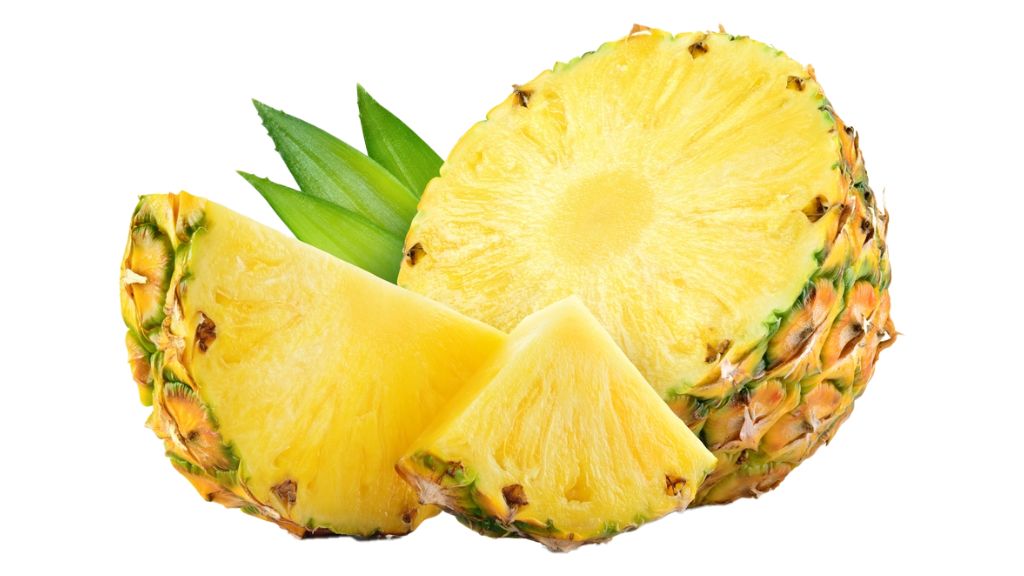
As pet parents, we constantly seek out wholesome rewards for our furry companions. When slicing up a juicy tropical treat, a common question naturally arises: can dogs eat pineapple? The exciting answer is a resounding yes! When properly prepared and served in moderation, fresh pineapple makes a wonderfully refreshing, nutrient-rich treat for many dogs.
However, because this tropical fruit is naturally high in fiber and sugar, understanding portion sizes and proper preparation is key to keeping your pup safe. In this guide, we will break down the essential health advantages, potential risks, and creative ways to serve pineapple for dogs.
In This Article
The Nutritional Breakdown: Benefits of Pineapple for Dogs
When fed responsibly, fresh pineapple for dogs is packed with essential elements that can support your pup’s overall vitality. Let’s look at the specific advantages this tropical snack offers.
1. A Powerhouse of Vitamins and Minerals
Pineapple contains a robust array of essential nutrients, including Vitamins C, B6, A, and K. It is also a natural source of thiamin, riboflavin, niacin, and folate, alongside vital minerals like manganese, copper, potassium, magnesium, iron, calcium, phosphorus, and zinc.
2. Loaded with Powerful Antioxidants
Beyond basic vitamins, this fruit contains beneficial antioxidants such as flavonoids, phenolic acids, and bromelain. These compounds help combat oxidative stress and support cellular health throughout your dog’s body.
3. Excellent Hydration Support
With its remarkably high water percentage, a few chunks of fresh fruit can help support your dog’s hydration, making it an excellent cooling reward during warm weather.
Can Dogs Eat Pineapple Safely? Potential Risks to Watch For

While the soft fruit flesh is highly beneficial, overfeeding or serving the wrong parts of the pineapple can lead to significant health complications.
The Danger of the Core, Rind, and Leaves
Never allow your dog to chew on the spiny rind, tough core, stem, or leaves. These parts are entirely indigestible and can easily create choking hazards or life-threatening intestinal obstructions.
High Sugar and Fiber Content
Because pineapple is naturally high in sugar and fiber, excessive amounts can trigger gastrointestinal upset, leading to stomach discomfort and diarrhea. Over time, regular overfeeding can contribute to dental problems, weight gain, or even increase the risk of obesity and diabetes. Dogs with pre-existing diabetic conditions should avoid this fruit unless strictly approved by a veterinarian.
How Much Pineapple Can Dogs Eat?
Like all dog-friendly treats, pineapple should strictly adhere to the 10% rule—meaning it should account for no more than 10% of your dog’s daily calories, while the remaining 90% comes from balanced dog food.
| Dog Size | Recommended Serving Size (Fresh Flesh Only) |
| Extra-Small (2–20 lbs) | 1–2 bite-sized pieces |
| Small (21–30 lbs) | 2–3 bite-sized pieces |
| Medium (31–50 lbs) | 5–6 bite-sized pieces |
| Large (51–90 lbs) | A small handful of pieces |
| Extra-Large (91+ lbs) | A large handful of pieces |
Note: If your dog displays signs of vomiting, lethargy, constipation, flatulence, or a loss of appetite after eating, contact your veterinarian immediately.
How to Prepare and Serve Pineapple for Dogs Safely
Always take the time to completely remove the tough outer skin and the hard inner core. Cut the remaining soft flesh into small, manageable chunks (roughly 1 inch by 1 inch, and a quarter-inch thick).
Once prepped, you can try these fun serving methods:
- Frozen Chunks: Freeze the pieces slightly to create a crunchy, cooling summer snack.
- Enrichment Toys: Blend the fresh flesh into a smooth puree with plain, xylitol-free yogurt. Serve it in moderation, or freeze the mixture inside a durable rubber toy like the KONG® Classic Dog Toy or spread it across a textured lick mat to keep your dog mentally stimulated.
Just like elite working animals—such as the active, highly trained canines highlighted by Purina New Zealand—our family pets require carefully managed nutrition to stay at their absolute best. Stick to fresh fruit, and completely avoid canned varieties or sugary pineapple cakes, which are packed with unhealthy syrups and dangerous preservatives.
Conclusion: A Sweet, Occasional Reward
To wrap everything up, can dogs eat pineapple safely? Yes, it is a magnificent, vitamin-rich treat when kept to occasional, bite-sized portions of fresh flesh. By cutting away the hazards and serving it in moderation, utilizing pineapple for dogs is a wonderful way to safely share a taste of the tropics with your furry best friend.